
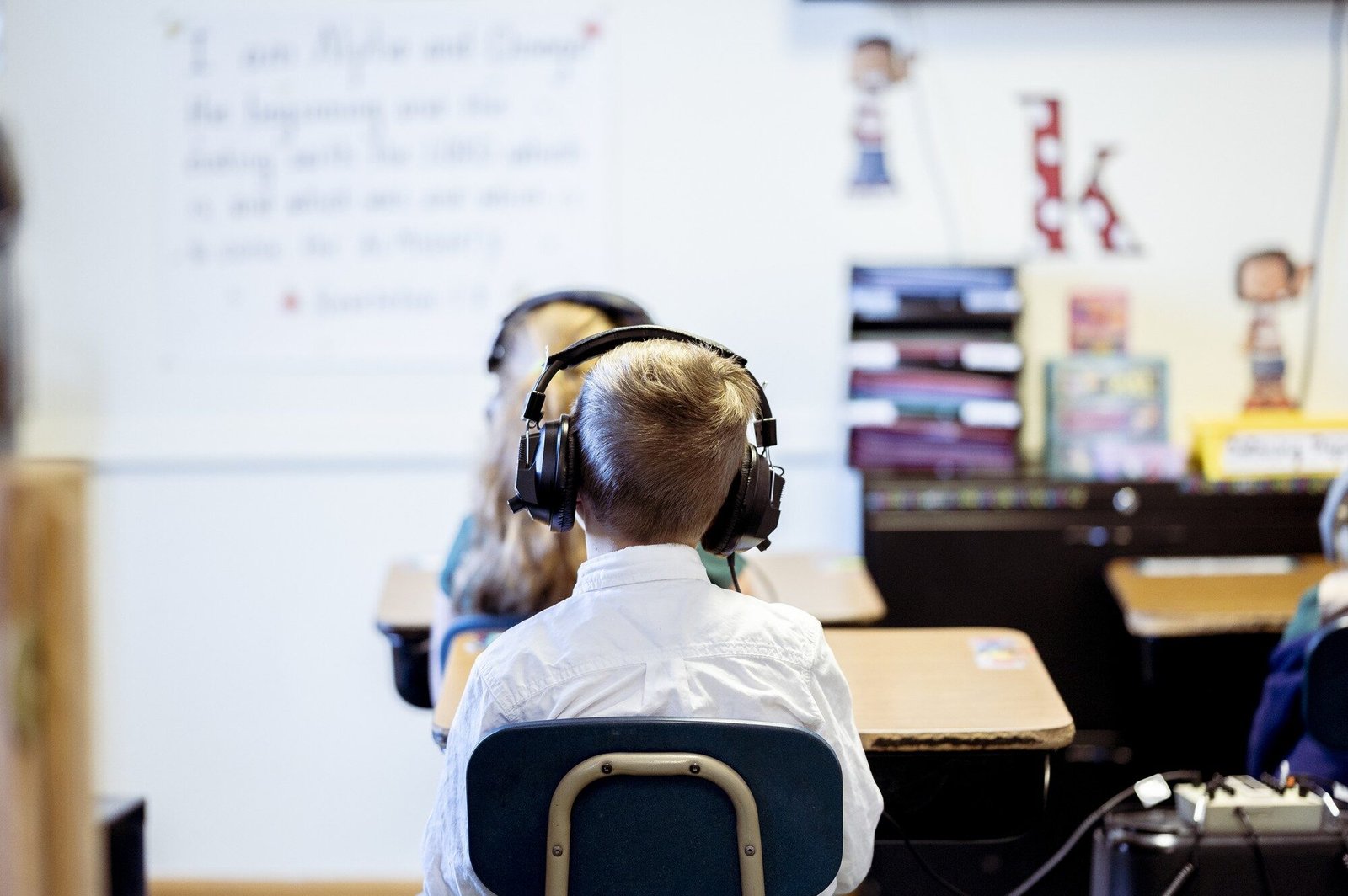
How Remediation Services Keep Noise Pollution at Bay in School Zones
Remediation services protect school zones from excessive noise pollution by deploying advanced acoustic barrier techniques and continuous noise monitoring. These comprehensive environmental mitigation strategies significantly lower decibel levels, safeguarding children’s cognitive development and enhancing classroom concentration.
Key Takeaways
- Reducing noise pollution prevents long-term learning deficits and cognitive fatigue.
- Strategic noise monitoring tracks real-time decibel spikes around active campuses.
- Specialised remediation services install acoustic barriers to block sound waves effectively.
Noise pollution is an invisible threat affecting countless educational institutions worldwide today. Traffic roar, nearby construction, and industrial expansion continuously breach classroom walls. This constant auditory disruption heavily compromises the student learning experience daily.
Uncontrolled sound levels directly impair a child’s ability to concentrate. Young minds struggle to process speech properly when background noise dominates. This structural challenge requires a specialised, proactive approach to environmental management.
In this blog post, we are going to look at how remediation services keep noise pollution controlled in school areas.
How Remediation Services Silence External Chaos
Here is how professional remediation services manage external sounds in school areas.
Comprehensive Environmental Intervention Styles
Professional remediation services offer comprehensive structural and environmental strategies to counter noise. Technicians evaluate soil composition, surrounding infrastructure, and baseline sound frequencies before acting. They design highly tailored, heavy-duty barrier systems that block incoming sound waves.
These interventions go beyond temporary, makeshift fixes or simple landscaping. Experts implement industrial-grade acoustic materials that absorb and deflect intense sound energy. This deliberate approach transforms vulnerable school boundaries into highly resilient shields.
Strategic Acoustic Barrier Installation
Acoustic barriers act as the primary line of defense against highway traffic. Engineers construct these dense walls using specialised concrete, composite timber, or acrylic steel. The placement is scientifically calculated to intercept sound pathways before reaching buildings.
Soundproof Building Upgrades
Interior structural remediation upgrades existing school infrastructures so that they remain soundproof. Teams install thick, double-glazed windows and insulated acoustic doors in classrooms. These minor architectural modifications dramatically lower the decibel levels inside learning spaces.
Eco-Friendly Vegetation Buffers
Natural sound barriers use dense belts of specific evergreen trees and shrubs. Remediation experts plant these green zones strategically along busy property perimeters. The thick foliage scatters high-frequency sounds while enhancing campus aesthetics naturally.
Why Noise Monitoring Matters for Schools
Noise monitoring in schools is important for maintaining the soundproof, acoustic environment in the school. By tracking the decibel levels in classrooms, hallways, and libraries, the remediation services can reduce auditory exhaustion and reduce chronic stress among learners.
Here is how noise monitoring can be done in school areas by remediation service providers:
Noise Data Analysis
Consistent noise monitoring provides the foundational data needed to combat acoustic pollution. Specialised sensors are placed around the school perimeter to capture live audio data. This equipment tracks fluctuating decibel levels across different hours of the school day.
Environmental experts analyze this information to identify specific peak disruption periods. Understanding exactly when noise spikes occur allows administrators to plan activities better. It also provides legal proof of external violations by nearby industries.
Real-Time Decibel Sensor Deployment
Modern sensors detect minor shifts in sound frequencies around the clock. These cloud-connected devices instantly alert school staff when safe limits are breached. This rapid detection ensures immediate accountability from neighbouring construction sites or factories.
Long-Term Acoustic Data Analytics
Data collection helps engineers track noise trends over months and years. This historical oversight assists cities in designing better urban zoning laws around schools. Long-term analytics ensure that future campus expansions avoid high-risk noise corridors.
Local Regulatory Compliance Checks
Every region enforces strict maximum decibel limits for designated school zones. Routine monitoring ensures educational properties remain compliant with local environmental laws. Safe zones prevent costly legal issues while protecting public health standards.
Safeguarding the Future of Student Learning
A quiet classroom is fundamental to successful early childhood education. Reducing external sound stress lowers student anxiety levels and boosts overall morale. Teachers also benefit significantly from not having to strain their voices daily.
Investing in proper noise monitoring secures a healthy atmosphere for generations to come. It ensures that external urban growth does not compromise basic educational rights. Protecting these sensitive zones remains a vital duty for modern communities.
Wrapping Up
Continuous noise monitoring and appropriate remediation of noise are vital for keeping school zones quiet. By isolating external sounds, these strategies protect student health and boost academic success. Securing professional environmental interventions ensures long-term peace, safety, and regulatory compliance for educational facilities.
Consult With Professional Remediation Services to Manage Noise Pollution at Your Academic Institution!
Do you manage or own a school? Is your school properly soundproofed? Protecting the students from environmental hazards, especially noise pollution, requires experienced oversight and proven mitigation strategies.
Communicate with a professional remediation service provider today to explore comprehensive environmental assessment, noise monitoring, and structural remediation solutions.