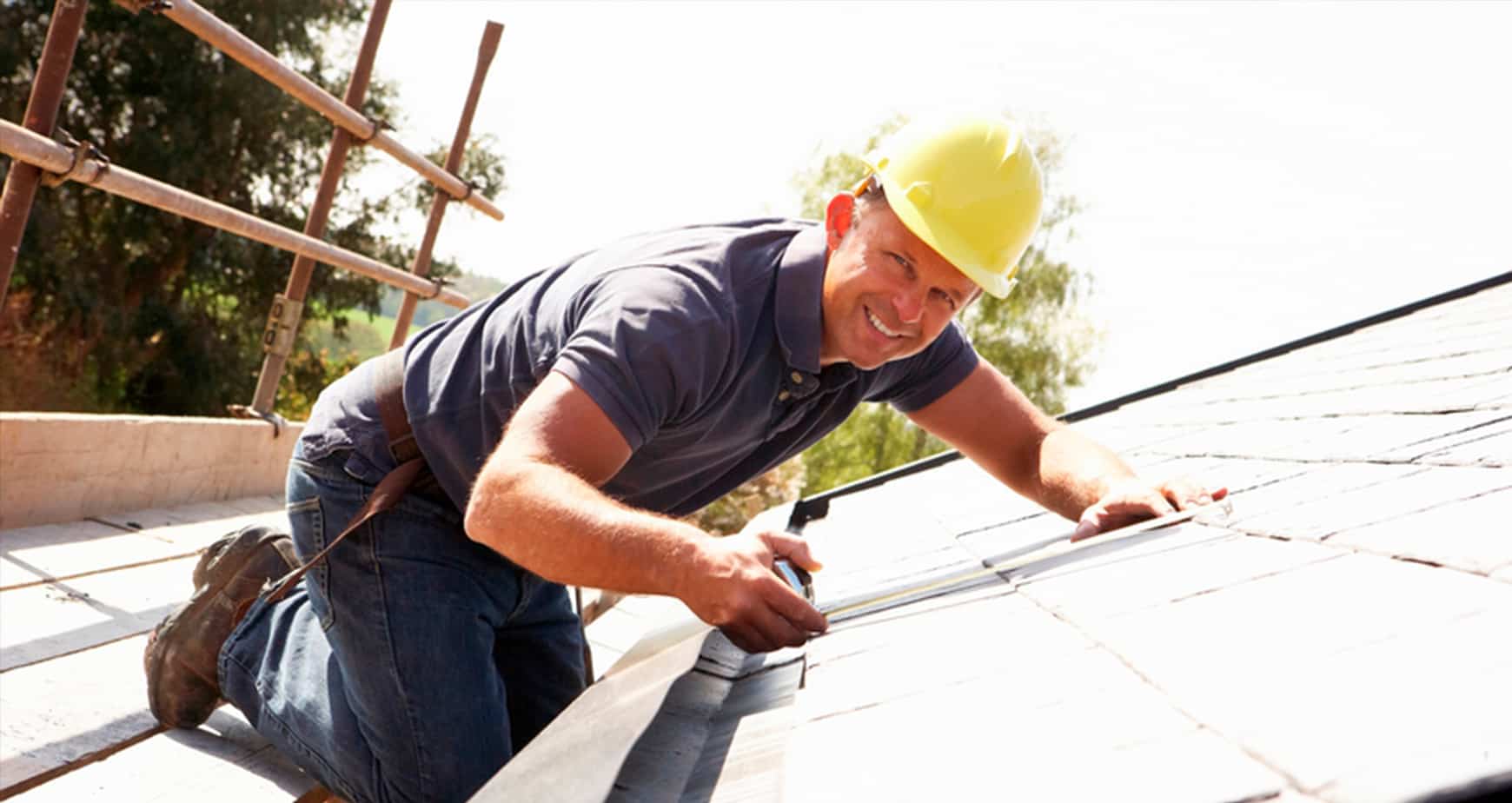
Innovative Maintenance Practices for Commercial Roof Longevity
Key Takeaways
- Routine bi-annual inspections are crucial for catching minor issues early and preventing major roof damage.
- Smart technology, such as IoT sensors and drones, can revolutionize maintenance cycles through real-time data collection and analysis.
- Energy-saving coatings and sustainable materials improve both roof longevity and day-to-day utility costs by reducing heat absorption and promoting reflective surfaces.
- Effective ventilation and clear drainage systems ensure long-term resilience against mold, pooling, and weather-related wear.
- Thorough reports and records are now often required by warranties and help with both informed repairs and transparency across ownership transitions.
Commercial roofs are constantly exposed to the elements, including intense sunlight, heavy rain, and fluctuating temperatures. Over time, these conditions can lead to wear and tear, reducing a roof’s lifespan and increasing maintenance costs.
Adopting innovative maintenance practices is essential for building owners and facility managers seeking to extend roof longevity and prevent costly repairs. Techniques such as regular inspections, proactive sealing, and advanced coating applications can significantly enhance durability, ensuring that commercial structures remain protected and operational for years to come.
For those looking to explore practical solutions and materials for roof care, visit this website, which offers useful insights into the latest products and maintenance approaches. By combining traditional upkeep with emerging technologies, businesses can not only preserve their roofs but also improve energy efficiency and sustainability.
Integrating these strategies into a routine maintenance plan ensures long-term performance and reduces the likelihood of unexpected issues.
Regular Inspections and Proactive Maintenance
Commercial roofs require regular check-ups to remain resilient, as small, unnoticed issues can quickly accelerate into serious structural failures or water intrusion. Leading authorities recommend comprehensive professional inspections every spring and fall, although some high-risk buildings may benefit from quarterly evaluations.
The use of drones with high-resolution cameras represents a leap forward, enabling detailed surveys and interactive maps of a roof’s current condition—no ladders or harnesses required. These tools can identify punctures, membrane separation, missing seals, or blocked drainage—common culprits for costly repairs.
Some services now offer automated analyses that highlight roof changes between inspections, enabling rapid decision-making and targeted maintenance. According to the latest research, approximately 80 percent of commercial roof failures are preventable through consistent, scheduled inspections and immediate remediation of identified issues, making proactive maintenance an indispensable investment.
Integration of Smart Technologies
Modern commercial roof management is undergoing a transformation as smart technologies are integrated. IoT sensors can be embedded directly into the roof structure, continuously monitoring for unusual shifts in temperature, moisture levels, structural stresses, and environmental fluctuations.
This enables alerts to be sent directly to maintenance personnel the instant a potential problem is detected—sometimes before it becomes visible. AI-powered drones complement this by conducting automated scans, creating high-fidelity models of the roof, and providing accurate analytics that inform both routine and urgent repairs.
These digital innovations aren’t just time savers: they bring detailed objectivity and error reduction to maintenance reporting, simplify regulatory inspections, and can be synced with maintenance management systems for streamlined compliance with both local codes and manufacturer warranties. Their ability to provide data-driven reports helps ensure that commercial roofing systems deliver their maximum anticipated service life.
Energy-Efficient Materials and Advanced Coatings
Adopting high-performance roofing materials and coatings is a cornerstone of modern roof longevity strategies. Today’s cool roof technologies, reflective membranes, and coatings help deflect much of the sun’s heat, reducing indoor cooling requirements and limiting thermal stress on roofing components.
These systems are especially beneficial in densely built urban areas where heat island effects are a concern, dramatically lowering energy bills for commercial tenants. Green roofs, which incorporate soil and vegetation atop roof structures, not only refresh urban environments but also provide additional insulation that keeps buildings cooler in summer and warmer in winter, while managing stormwater runoff and enhancing biodiversity.
Some firms now use self-healing polymer coatings that respond to minor abrasions or damage by automatically reforming a waterproof bond, preventing minor issues from escalating into costly repairs. Such advancements play a critical role in operational cost control, asset value enhancement, and achieving sustainability goals.
Proper Ventilation and Drainage Systems
Effective ventilation and reliable drainage are foundational to the longevity of any commercial roofing system. Ventilation helps stabilize temperatures within roof cavities and beneath the deck, mitigating condensation buildup and dramatically reducing the risk of mold growth, wood rot, or insulation collapse.
Properly designed and maintained airflow passages allow for effective heat dissipation and prevent negative pressure from external weather conditions, which could otherwise cause membrane separation or other structural issues. At the same time, unobstructed drainage systems, gutters, scuppers, and internal drains are critical for safely channeling water away from vulnerable roof areas.
Blocked or insufficient drainage leads to ponding, which weakens roofing layers and hastens leaks, especially during freeze-thaw cycles. Each roofing design, whether flat or sloped, requires a tailored approach to ventilation and water management to realize its full lifespan and maintain the validity of manufacturer warranties.
Documentation and Record-Keeping
Maintaining clear and comprehensive documentation for every maintenance visit, upgrade, or incident is a crucial, but sometimes overlooked, pillar of effective commercial roof management. As manufacturers and insurers continue to tighten requirements for warranty coverage, owners must preserve meticulous records, including work orders, inspection summaries, photographs, and receipts for replacement materials.
Such organized documentation streamlines claims processing in the event of a failure, supports accurate budgeting and forecasting for future maintenance, and provides incoming owners or managers with the historical context needed to make informed decisions. This transparency also builds trust among tenants, stakeholders, and contractors, demonstrating a commitment to property stewardship and regulatory compliance for the life of the building.
Conclusion
Innovative maintenance practices are reshaping the commercial roofing industry, setting new standards for durability, performance, and efficiency. Leveraging state-of-the-art inspection technologies, integrating advanced monitoring systems, utilizing high-efficiency materials, and focusing on tailored ventilation and robust drainage solutions gives property managers a proactive edge in asset protection.
When combined with thorough documentation, these efforts ensure that investments in commercial roofing provide long-term resilience, operational savings, and improved occupant comfort. Prioritizing contemporary maintenance approaches not only protects the physical building but also supports sustainability goals and property value, ensuring strong, year-after-year performance for modern commercial facilities and their communities.