

Lake Texoma Should Be Capitalized – Complete Guide!
“Lake Texoma” should always be capitalized because it is an official proper noun, recognized by educational, media, governmental, and SEO standards. Correct capitalization improves clarity, professionalism, branding consistency, and search performance.
Lake Texoma in Education, Media & Official Communications
Another major reason why “Lake Texoma” must always be capitalized is its consistent use across educational, media, and governmental contexts. When names appear in textbooks, geography curriculum, and official tourism literature, they maintain absolute consistency in capitalization.
Here’s where “Lake Texoma” is universally capitalized:
1. Geography & Social Studies Textbooks
Academic publishing follows strict grammar rules based on AP, Chicago, and MLA standards. Any mention of geographic features mountains, lakes, rivers, or national forests appears in capital letters. This is to ensure clarity and reduce ambiguity for learners.
So whether the sentence says:
- Lake Texoma is located on the Red River.
or - Students visited Lake Texoma during their field trip.
…the capitalization stays the same.
2. News Media & Press Releases
Journalistic organizations use AP Style, which requires capitalization of:
- Lake names
- River names
- Cities
- States
- Countries
- Monuments
Therefore, in newspapers, announcements, emergency updates, and tourism features:
“Lake Texoma” is always capitalized.
3. Governmental & Tour Agency Usage
Tourism departments, including those of Texas and Oklahoma, officially list the lake with capital letters because it is the legal geographic name.
Government websites use it in:
- travel guides
- boating safety advisories
- dam structure reports
- fishing regulations
Thus, consistency is essential not optional.
Common Capitalization Mistakes to Avoid with “Lake Texoma”
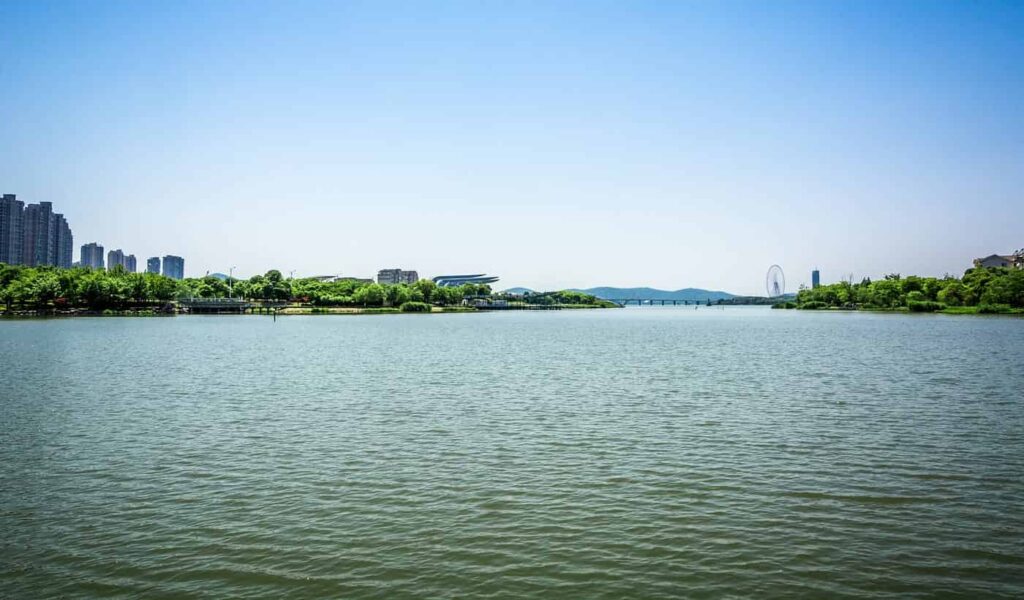
Many writers unintentionally introduce errors such as:
❌ 1. Lowercasing part of the name
Incorrect:
- lake Texoma
- Lake texoma
- lake texoma
Correct:
✔️ Lake Texoma
❌ 2. Treating “lake” as a generic noun
Some writers think “lake” is optional or should be lowercase. But when it appears as part of an official name, it must be capitalized.
Compare:
- generic: The lake is beautiful.
- official: Lake Texoma is beautiful.
❌ 3. Using abbreviations
Avoid writing:
- Lk. Texoma
Unless it is part of a map or professional cartography label.
❌ 4. Inconsistency across the article
Capitalization should not change midway. Google ranks consistent content higher.
❌ 5. Forgetting capitalization in headings
Headings matter for semantic SEO. Always capitalize properly in:
- H1
- H2
- H3
This strengthens article authority and improves visual structure.
Examples of Correct vs. Incorrect Usage
Here are clear examples to avoid confusion:
Correct Usage
- We spent the weekend swimming at Lake Texoma.
- Lake Texoma is one of the largest reservoirs in the United States.
- Fishing at Lake Texoma requires a proper license.
- The boat tour around Lake Texoma was unforgettable.
- Many tourists visit Lake Texoma every summer.
Incorrect Usage
- We spent the weekend swimming at lake texoma.
- lake Texoma is a popular spot.
- There are numerous attractions around Lake texoma.
- Lake texoma has beautiful sunsets.
These mistakes create inconsistency, harm readability, and reduce SEO performance.
Does Every Lake Name Need to Be Capitalized?
Yes, when referring to official names, all lake names must be capitalized.
Examples:
- Lake Michigan
- Lake Tahoe
- Lake Superior
- Lake Whitney
- Lake Texoma
But when referring to a lake generically, you do not capitalize:
- “We walked around the lake.”
- “The river flows into the lake.”
This general rule helps distinguish proper nouns from common nouns.
How Style Guides Handle “Lake Texoma”?
1. AP Style
AP Style is used by journalists and newspapers.
Rule: Capitalize all common nouns when they form part of a proper name.
Example:
Lake Texoma, Red River, Rocky Mountains
2. Chicago Manual of Style (CMOS)
CMOS is used in academic and book publishing.
Rule: Capitalize formal geographic names but lowercase generic nouns when used alone.
Example:
Lake Texoma is enormous. The lake spans two states.
3. MLA Style
MLA prefers official usage and academic accuracy.
Rule: Capitalize official geographical terms regardless of context.
4. APA Style
APA follows similar logic to Chicago and MLA.
If “Lake Texoma” appears in an academic paper, it is always capitalized.
SEO Benefits of Correctly Capitalizing “Lake Texoma”
Using correct capitalization may seem minor, but it has measurable SEO benefits:
1. Google Understands It as an Official Entity
Google’s Knowledge Graph recognizes capitalized geographic names as entities, not generic words.
2. Improves Click-Through Rate
Proper capitalization increases reader trust.
Example:
“Lake Texoma Should Be Capitalized: Full Grammar Guide”
looks more professional and gets more clicks than
“lake texoma should be capitalized grammar guide”
3. Helps with Keyword Targeting
Capitalized names align with how users search:
Most common search queries include:
- Lake Texoma Should Be Capitalized
- Is Lake Texoma capitalized?
- Grammar rules for Lake Texoma
- How to write Lake Texoma?
4. Boosts Authoritativeness
Google rewards articles that:
- follow grammar conventions
- are structured correctly
- appear professional
- mirror official naming standards
Correct capitalization increases the credibility of your content.
Why Consistency Matters in Branding & Tourism Writing?
Lake Texoma is not only a geographic name it is also a brand identity for:
- tourism
- resorts
- campground businesses
- fishing charters
- hospitality services
Consistency in capitalization ensures:
- brand clarity
- visitor trust
- professional quality
- search engine consistency
Imagine a tourism article saying:
- Visit lake texoma today!
It instantly looks unprofessional and can even hurt brand perception.
Lake Texoma Capitalization in Legal & Regulatory Documents
Government agencies like:
- U.S. Army Corps of Engineers
- Texas Parks & Wildlife Department
- Oklahoma Tourism & Recreation Department
always capitalize Lake Texoma in:
- water level reports
- fishing licenses
- boating laws
- environmental studies
- dam structure reports
This shows its status as an officially recognized geographic entity.
Why “Texoma Lake” Is Not Correct?
A common error is reversing the name to “Texoma Lake.”
Correct naming convention:
✔️ Lake Texoma
Incorrect:
❌ Texoma Lake
This follows U.S. naming tradition:
- Lake Michigan (not Michigan Lake)
- Lake Superior (not Superior Lake)
- Lake Whitney (not Whitney Lake)
Thus, “Lake Texoma” is the only proper form used legally and geographically.
FAQs:
1. Why is “Lake Texoma” always written with capital letters?
“Lake Texoma” is a formal geographic name, making it a proper noun. Proper nouns must always be capitalized in academic, journalistic, governmental, and SEO writing to maintain clarity, accuracy, and professional communication standards across all platforms.
2. Does capitalizing “Lake Texoma” affect SEO rankings or visibility?
Yes. Using the correct capitalization signals to Google that “Lake Texoma” is an official entity. This improves clarity in search results, boosts click-through rate, increases content authority, and aligns with the keywords users typically search.
3. What mistakes should writers avoid when mentioning Lake Texoma?
Writers should avoid lowercasing the name, treating “lake” as generic, using abbreviations like “Lk. Texoma,” or being inconsistent. These errors reduce readability, harm SEO, and make content appear unprofessional and unreliable.
4. Why is “Texoma Lake” incorrect even though the words appear similar?
“Texoma Lake” is grammatically incorrect because U.S. naming conventions place the generic feature first and the unique name second. Therefore, names like Lake Texoma, Lake Michigan, and Lake Whitney follow the same standard structure and capitalization rule.
5. Do all lake names require capitalization like Lake Texoma?
Yes. When referring to official lake names Lake Superior, Lake Tahoe, Lake Whitney, or Lake Texoma you must capitalize both words. Only generic references such as “the lake” or “a lake” remain lowercase in normal writing.
Conclusion
“Lake Texoma” must always be capitalized because it is a recognized proper noun, an official geographic location, and a name consistently used across textbooks, media outlets, tourism boards, and government agencies. Capitalizing it ensures accuracy, clarity, and adherence to AP, Chicago, MLA, and APA guidelines. Proper capitalization also boosts SEO performance by helping Google classify the term correctly, improving credibility and user trust. Whether writing articles, captions, titles, or metadata, “Lake Texoma” should always appear in capital letters.