Doctorhub360.com Neurological Diseases – Detailed Guide!
Doctorhub360.com neurological diseases resources explain brain and nerve disorders clearly, covering causes, symptoms, diagnosis, treatment, prevention, and technology-driven care to help patients and caregivers manage neurological conditions effectively.
Neurological diseases affect millions of people worldwide and can significantly impact daily life, independence, and long-term health. Conditions involving the brain, spinal cord, and nervous system often require early diagnosis, continuous monitoring, and specialized care.
Doctorhub360.com neurological diseases resources aim to bridge the gap between advanced medical knowledge and accessible patient care. By combining expert insights, digital health tools, and patient-centric guidance, DoctorHub360 has emerged as a trusted platform for understanding, managing, and living with neurological conditions.
This comprehensive guide explores neurological diseases in depth, covering symptoms, causes, diagnosis, treatment options, prevention strategies, and how technology is transforming neurological healthcare.
Understanding Neurological Diseases
Neurological diseases are disorders that affect the central and peripheral nervous system, including the brain, spinal cord, nerves, and muscles. These conditions may develop suddenly or progress slowly over time, often becoming chronic.
Common neurological diseases include:
- Alzheimer’s disease
- Parkinson’s disease
- Multiple sclerosis (MS)
- Epilepsy
- Migraines
- Stroke-related disorders
- Neuromuscular diseases
Doctorhub360.com neurological diseases content simplifies complex medical concepts, helping patients and caregivers understand these conditions without overwhelming technical language.
What Are Neurological and Neuromuscular Diseases?
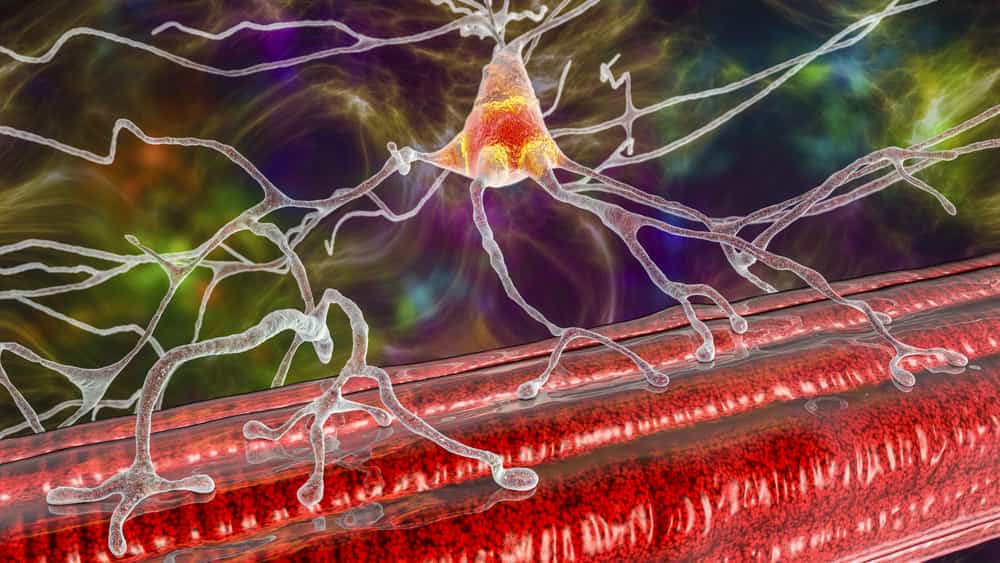
Neurological diseases broadly impact nerve signaling and brain function, while neuromuscular diseases specifically affect the communication between nerves and muscles.
Key Differences:
- Neurological disorders: Affect cognition, movement, sensation, or coordination
- Neuromuscular disorders: Cause muscle weakness, fatigue, or loss of muscle control
Examples include:
- Neurological: Alzheimer’s, epilepsy, migraines
- Neuromuscular: Muscular dystrophy, myasthenia gravis, ALS
DoctorHub360 neurological diseases resources explain these distinctions clearly, helping users recognize early warning signs.
Common Types of Neurological Diseases
Alzheimer’s Disease
A progressive neurodegenerative disorder causing memory loss, confusion, and behavioral changes. Early detection can gradual development and enhance the fineness of life.
Parkinson’s Disease
A motion disease marked with the aid of using tremors, stiffness, and slowed motion. Treatment focuses on symptom management and maintaining independence.
Multiple Sclerosis (MS)
An autoimmune neurological condition that damages nerve coverings, leading to fatigue, vision problems, and mobility issues.
Epilepsy
A seizure sickness resulting from strange electric hobby withinside the brain. Many patients manage epilepsy successfully with medication and lifestyle adjustments.
Migraines
A neurological condition characterized by intense headaches, sensitivity to light, and nausea. Migraines are often triggered by stress, diet, or hormonal changes.
Causes and Risk Factors of Neurological Diseases
Neurological diseases can develop due to a combination of genetic, environmental, and lifestyle factors.
Common Causes:
- Genetic mutations
- Autoimmune reactions
- Brain injuries or trauma
- Infections affecting the nervous system
- Poor vascular health
Risk Factors:
- Aging
- Family history
- Chronic stress
- Poor nutrition
- Sedentary lifestyle
Doctorhub360.com neurological diseases guides emphasize risk reduction through lifestyle modifications, helping users take preventive action early.
Symptoms of Neurological Diseases
Symptoms range relying at the affected vicinity of the frightened system, however not unusualplace symptoms and symptoms include:
- Persistent headaches
- Memory loss or confusion
- Muscle weakness
- Loss of balance or coordination
- Numbness or tingling
- Vision or speech difficulties
Early symptom popularity is critical. DoctorHub360 neurological diseases resources encourage patients to seek professional evaluation at the first signs of concern.
Diagnosis of Neurological Diseases
Accurate diagnosis requires a combination of clinical evaluation and diagnostic tools.
Common Diagnostic Methods:
- MRI and CT scans for brain imaging
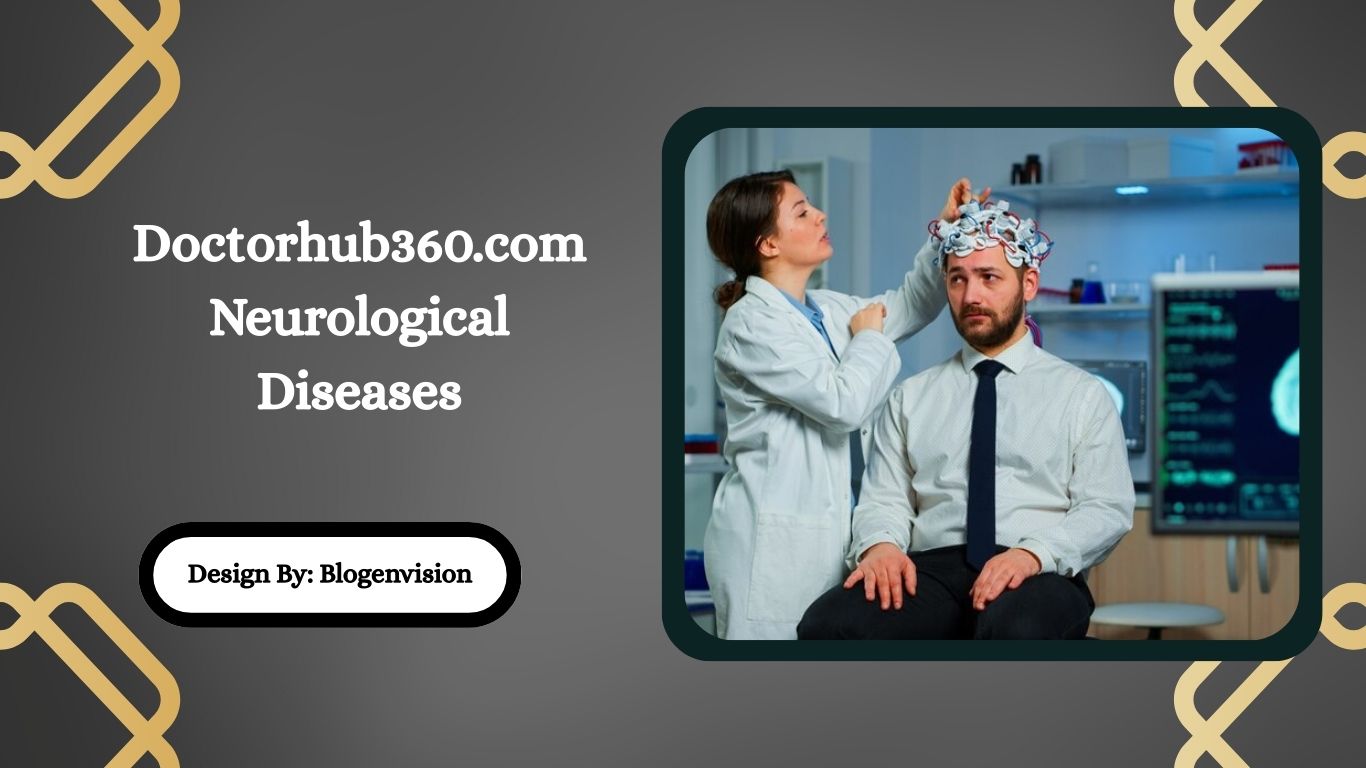
- EEG for seizure activity
- EMG for neuromuscular disorders
- Blood and CSF tests to detect infections or autoimmune activity
Doctorhub360.com neurological diseases articles explain these tests in patient-friendly language, reducing fear and uncertainty around diagnosis.
Treatment Options for Neurological Diseases
While many neurological diseases have no definitive cure, treatment focuses on symptom control, slowing progression, and improving quality of life.
Treatment Approaches:
- Medications (anti-seizure, dopamine therapy, immunomodulators)
- Physical and occupational therapy
- Speech and cognitive therapy
- Surgical interventions (in select cases)
- Lifestyle and dietary changes
DoctorHub360 neurological diseases content promotes personalized treatment plans rather than one-size-fits-all solutions.
Latest Treatments and Innovations in Neurological Care
Medical advancements continue to reshape neurological treatment.
Emerging Innovations:
- AI-assisted diagnostics
- Neurostimulation therapies
- Precision medicine based on genetic profiles
- Digital symptom tracking
Doctorhub360.com neurological diseases coverage highlights these breakthroughs, helping patients stay informed about evolving care options.
How Technology Is Changing Doctorhub360.com Neurological Diseases Care?
Technology plays a central role in modern neurological healthcare.
- Telemedicine: Virtual consultations increase access to neurologists, especially in underserved areas.
- Early Detection and Better Diagnosis: AI-powered tools assist clinicians in identifying early disease markers.
- Digital Health Records: Integrated records improve care coordination and reduce diagnostic delays.
DoctorHub360 neurological diseases resources demonstrate how tech-enabled patient care improves outcomes and reduces healthcare barriers.
Preventing and Reducing the Risk of Neurological Diseases
Although not all neurological diseases are preventable, certain habits can reduce risk.
Prevention Strategies:
- Regular physical activity
- Brain-healthy diets (omega-3s, antioxidants)
- Stress management
- Adequate sleep
- Avoiding smoking and excessive alcohol
Doctorhub360.com neurological diseases articles emphasize prevention as a lifelong strategy, not a short-term fix.
Living With a Neurological Condition
Managing a neurological disease involves more than medical treatment.
- Emotional Adjustment: Mental health support is essential for coping with chronic conditions.
- Caregiver Guidance: Caregivers play a vital role in daily support and treatment adherence.
- Work and Independence: Adaptive tools and flexible work arrangements help maintain independence.
- Community and Support Networks: Peer support groups reduce isolation and improve emotional well-being.
DoctorHub360 neurological diseases content adopts a patient-centric and empathetic tone, addressing real-life challenges.
Why Choose DoctorHub360.com for Neurological Diseases Information?
DoctorHub360 stands out by combining:
- Reliable medical insights
- Technology-driven healthcare solutions
- Clear, readable explanations
- Holistic patient support
Unlike many platforms that focus only on symptoms or technology, Doctorhub360.com neurological diseases resources integrate clinical care, digital tools, and quality-of-life guidance.
FAQs:
1. What are neurological diseases in simple terms?
Neurological diseases are conditions affecting the brain, spinal cord, nerves, or muscles. They can disrupt movement, memory, sensation, or coordination and often require early diagnosis, long-term monitoring, and personalized treatment plans.
2. How does DoctorHub360 help people with neurological diseases?
DoctorHub360 provides patient-friendly explanations, expert insights, and digital health tools. It helps users understand symptoms, diagnosis methods, treatment options, and lifestyle strategies, making complex neurological information easier to understand and apply.
3. Are neurological and neuromuscular diseases the same?
No. Neurological diseases affect brain and nerve function, while neuromuscular diseases specifically impact communication between nerves and muscles. Both can cause serious symptoms but require different diagnostic and treatment approaches.
4. Can neurological diseases be prevented or reduced?
Not all neurological diseases are preventable, but risks can be reduced through regular exercise, healthy diet, stress management, good sleep, and avoiding smoking or excessive alcohol, which support overall brain and nervous system health.
5. Why is technology important in neurological disease care?
Technology improves early detection, diagnosis, and access to specialists. Tools like telemedicine, AI-assisted diagnostics, and digital health records enhance care coordination, reduce delays, and help patients manage conditions more effectively.
Conclusion
Neurological diseases are complex conditions that affect millions worldwide, impacting daily life and long-term health. Doctorhub360.com neurological diseases resources provide a balanced approach by combining medical knowledge, technology-driven solutions, and compassionate guidance. By covering symptoms, causes, diagnosis, treatment, prevention, and lifestyle support, DoctorHub360 empowers patients and caregivers to make informed decisions. Its clear, patient-focused content and innovative care approach make it a valuable platform for understanding and managing neurological conditions effectively.