The Smart Way to Restore Minor Car Body Damage Without Repainting
To prevent rust, avoid costly future repairs, maintain structural integrity, and ensure driver visibility, promptly repairing minor car damage seems essential.
Key Takeaways:
- Always check for the level of scratch by a fingernail test to proceed with a DIY repair.
- Most effective paintless dent removal ways include using rubbing compounds, the use of touch-up paint, clear coat scratch repair kits, and wet sanding.
- Properly following all the steps of the techniques is essential for a smooth and error-free restoration of minor car damage.
Car scratch and dent repairs in Melbourne typically range from $250 to $800+ per panel. Vehicle owners often face a dilemma in minor car damage repair, as the cost of professional repair and painting can be high. On the other hand, they focus on balancing the need to fix the damage to avoid rust and resale value depreciation without spending premium refinishing costs.
This blog will indicate some ways to restore minor car damage to immediately avoid higher repair costs and ensure safety.
How to Fix Minor Car Body Damages
Here are some of the key ways that can be used for restoring and repairing minor car damage in cost-effective ways-
1. Using Rubbing Compounds for Surface Scratches
Use of rubbing compounds is a cost-effective alternative to professional painting due to abrasive levelling, versatile restoration, oxidation removal, and surface preparation.
Steps include-
- Cleaning the surface
- Application of the compound
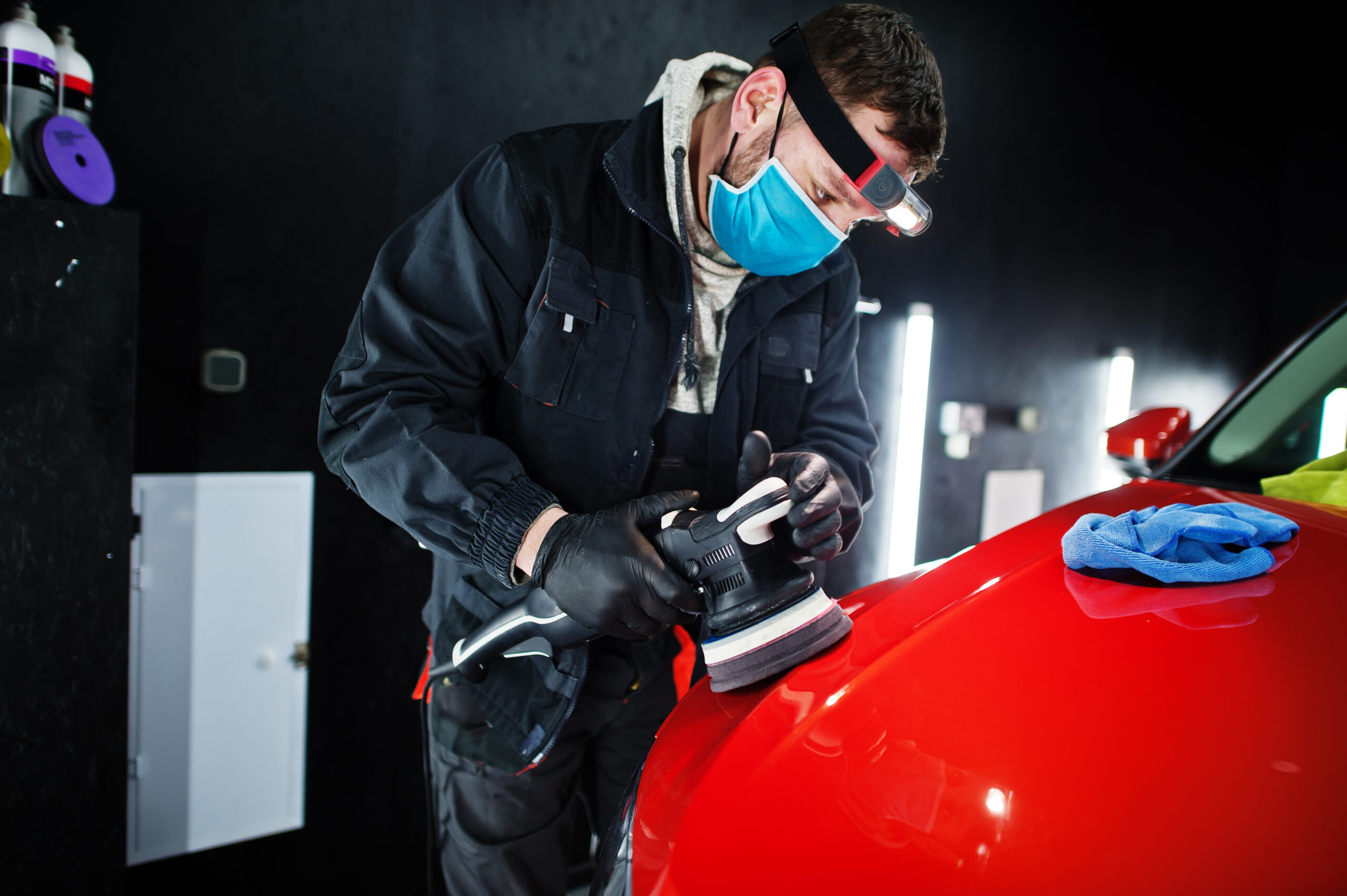
- Working in small area sections and mechanical abrasion in straight lines or circular motions
- Removing excess residue with a clean microfiber towel
- Following with a finishing polish to restore high-gloss clarity
- Application of car wax or sealant to protect the freshly exposed paint
Caution to be maintained during the process-
- Deep cleaning of the area is necessary to avoid deeper scratches
- Using masking tape for covering sensitive areas like plastic parts, edges, rubber trim, and emblems
- Using light to moderate pressure only
- Using proper and clean tools
Alternatively, the use of polishing compounds can be done, as these are less abrasive than rubbing compounds, designed to remove light swirls and restore high-gloss shine.
2. Considering Use of Touch-Up Paint to Restore Minor Car Damage
To restore minor car damage, the use of touch-up paint is an effective way, as it provides a cost-effective and aesthetically pleasing solution for small chips and car scratches.
Process includes-
- Cleaning the area
- Applying primer and paint pen combo for deeper scratches
- Layering paint matched to the vehicle code
- Considering the application of a protective clear coat for better finishing
- Finishing with polishing
Careful preparation and precautions to be maintained-
- Verification of the paint code on your vehicle to ensure a match with the OEM paint code
- Cleaning the area thoroughly with soap, water, and microfiber cloth/fine-grit sandpaper of 220 grit/wax or grease remover
- Application of paint in shaded and well-ventilated areas
- Always apply multiple thin coats and avoid overapplication
- Avoid using aged or oxidised paint
3. Using Clear Coat Scratch Repair Kits to Economically Recondition Surface Scratches
Using clear coat scratch repair kits restores minor car scratches without the high cost and inconvenience of panel-wide and professional repainting.
The process of application includes-
- Identification of the paint code to get the correct colour
- Clean the damage thoroughly with wax or grease remover/rubbing alcohol and a microfiber towel
- Application of a thin layer of primer to the exposed plastic or bare metal to ensure adhesion
- Application of thin, light layers of paint
- Application of a clear coat to seal the repair, after the paint has dried
- Using a rubbing compound or fine-grit sandpaper of 2000+ grit to level the new paint with the surrounding finish
- Applying a microfiber cloth to apply rubbing compound in circular motions, to make the repair area optically clear
Key precautions to consider during this technique-
- Verification of the level of damage is mandatory to understand whether it requires deeper repair or not
- Washing the area with soap and water to prevent the spread of dust is necessary
- Using high-grit sandpaper with 3000 grit must be done to prevent over-sanding
- Over-application of the product will lead to a messy and uneven finish
- Application must be done in shade and in a highly-ventilated area
4. Wet Sanding to Smooth Out Bumps and Imperfections
Wet sanding is a highly professional and effective technique for removing deep, clear coat scratches that can’t be fixed with polishing compounds.
It involves-
- Assessment of the damage with the fingernail test
- Preparation and cleaning of the car panel
- Soaking 2000 or 3000 grit sandpaper in a bucket of soapy water for more than 5 minutes, to ensure a smooth sanding experience
- Application of a polishing compound to a buffing pad or microfiber towel with a DA polisher
- Following up with a fine polish to restore the original shine
- Application of a high-quality wax or sealant to protect and prevent future damage
Key tips to maintain are-
- Avoiding sanding with only fingers
- Keeping away from panel edges and body lines is necessary
- Avoiding dry sanding
- Practising on a spare panel first
Cars in Port Melbourne suffer more from rust and coastal salt spray. Clay bar is a highly effective and cost-effective method for removing bonded contaminants before a paintless dent removal in a car.
Preparation steps include-
- Washing the vehicle thoroughly using a pH-balanced car shampoo to remove abrasive dirt particles
- Finding a shaded spot to avoid lubricant drying in direct sunlight
- Dividing and applying the clay
- Spraying a high-quality clay lubricant on the car surface and on the clay bar
- Gliding the clay bar in straight lines, using very light pressure
- Gliding continuously until the bar moves effortlessly and the surface feels smooth
- Kneading and refreshing the clay after some time, for the targeted section
- Wiping away any excess lubricant with a clean microfiber towel
Don’t Let Dents Ruin Your Ride
Need quick, reliable car repairs in Melbourne? Use professional paintless dent removal (PDR) and scratch repair to restore your vehicle’s finish. Contact the best, reputed, and trusted car panel beaters in Melbourne!