Are There Speed Cameras In California – Guide for Drivers!
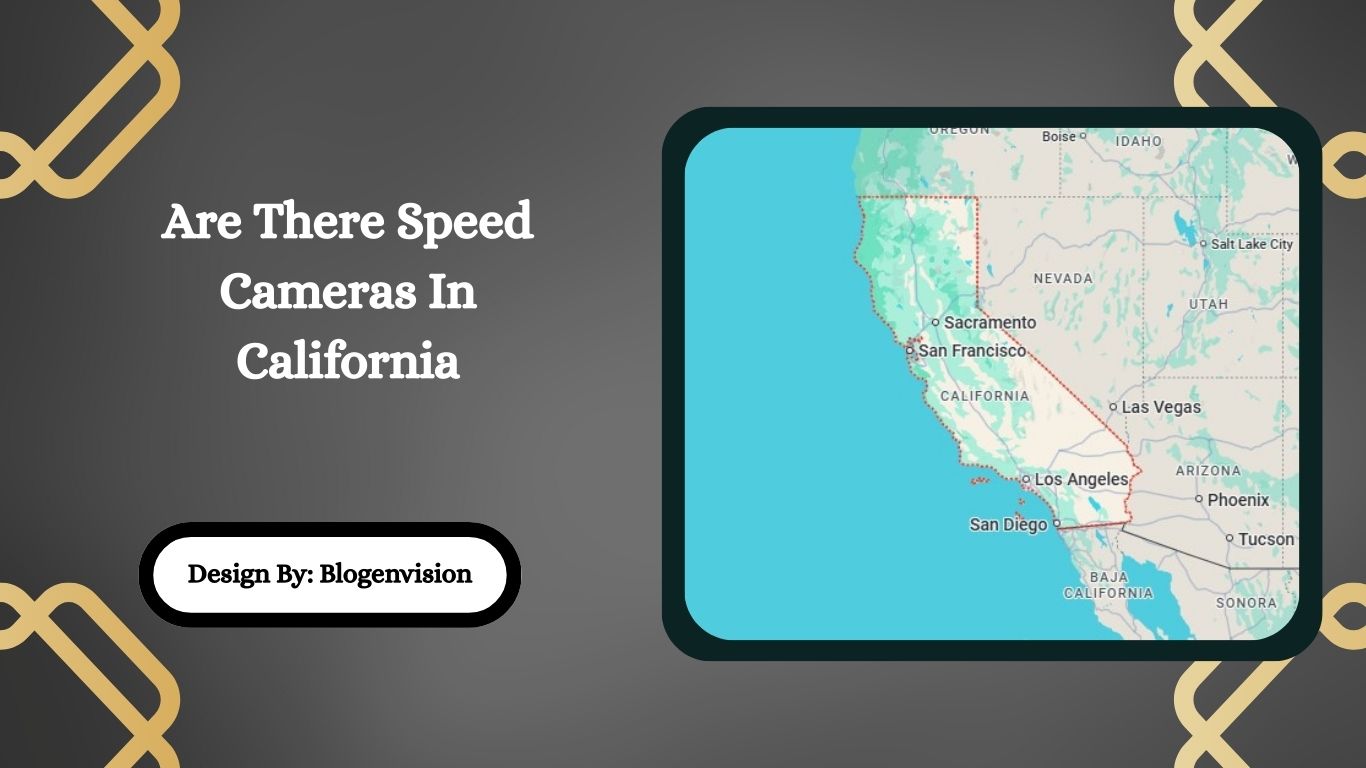
Yes, California has speed cameras, primarily under pilot programs in select cities. These automated systems monitor speeding, issue tickets, and aim to improve road safety by reducing collisions and encouraging responsible driving.
Speed cameras have become a hot topic in recent years, especially as California grapples with traffic safety and accident reduction. Many drivers wonder: Does California have speed cameras? The short answer is yes, but not everywhere. California is currently rolling out automated speed enforcement through a pilot program, and certain areas already have traffic enforcement cameras for red-light violations.
In this guide, we’ll explore speed camera laws in California, locations where they are used, and what drivers should know to avoid costly tickets.
Are Speed Cameras Legal in California?
Historically, California did not have statewide photo radar systems for speeding violations. Red light cameras were common, but speed enforcement cameras were restricted. That changed in 2024, when the state introduced an Automated Speed Enforcement Pilot Program in select cities.
Under the program:
- Speed cameras are now legal in San Francisco, Oakland, San Jose, Los Angeles, Glendale, and Long Beach.
- Cameras are placed in high-crash corridors, school zones, and areas with a history of dangerous speeding.
- Fines vary depending on how much over the limit you drive, with harsher penalties for excessive speeding.
California Speed Camera Locations
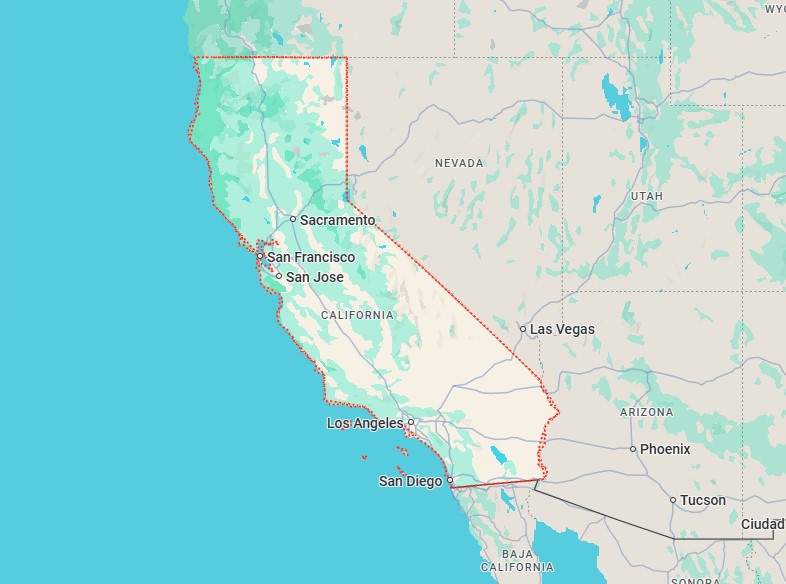
The exact California speed camera locations are not always publicized, but general placement guidelines include:
- School zones where children are at risk
- Urban high-injury networks identified by traffic safety studies
- Dangerous intersections known for high accident rates
- Highways with recurring speeding problems
Examples of cities with current or planned speed enforcement:
- Los Angeles speed cameras in high-crash areas like the Westside and Downtown
- San Francisco speed enforcement in the Tenderloin, SoMa, and Mission District
- San Diego red light cameras at intersections with a history of collisions
- Bay Area speed traps on stretches of highway prone to speeding
Speed Camera Laws in California
The California speed camera laws ensure that:
- Signs must be posted warning drivers of upcoming photo enforcement zones.
- Cameras must be calibrated and regularly tested.
- Citations are mailed to the registered vehicle owner.
- A grace period often applies when new cameras are installed, issuing warnings instead of fines.
The law is part of a larger California speed enforcement program aimed at reducing pedestrian deaths, cyclist injuries, and dangerous driving behaviors.
California Speeding Fines from Cameras
The California speed camera ticket cost depends on your speed:
- 1–15 mph over limit – about $50–$100
- 16–25 mph over limit – about $150–$250
- 26+ mph over limit – $300+ and possible license points
Additional penalties may include:
- Higher insurance rates
- Traffic school requirements
- Court processing fees
Where Are Speed Cameras in California?
If you’re wondering how to find speed cameras in California, here are a few tips:
- Check official city websites – Many publish lists of camera locations.
- Use GPS apps – Apps like Waze and Google Maps often alert drivers to camera zones.
- Look for signs – California law requires advance notice before photo enforcement.
- Review traffic safety studies – Public records sometimes show high-risk zones targeted for enforcement.
California Speed Camera School Zones
One priority area for automated speed enforcement California is school zones. Cameras near schools aim to reduce speeding during student arrival and dismissal hours. These cameras are highly effective at cutting down dangerous driving near children.
Automated Speed Enforcement Pilot Program California
The automated speed enforcement pilot program California runs for several years before a potential statewide rollout. Its goals include:
- Lowering average vehicle speeds
- Reducing fatal and severe crashes
- Testing effectiveness of speed monitoring systems California highways and local roads
Early reports from other states show a significant reduction in collisions when cameras are used consistently.
How to Avoid Speed Camera Tickets in California
While some drivers search for how to avoid speed camera tickets in California, the safest way is simply to follow the speed limit. However, additional tips include:
- Watch for posted signs indicating photo radar California zones
- Use navigation tools with camera alerts
- Slow down in school zones and high-crash corridors
- Stay aware of police speed monitoring California in addition to automated systems
Are Speed Cameras Effective in California?
Studies suggest that traffic enforcement cameras in California can reduce crashes by up to 40% in certain areas. In cities like San Francisco and Los Angeles, where pedestrian and cyclist safety is a growing concern, automated enforcement may become a permanent fixture.
FAQs:
1. Are speed cameras legal in California?
Yes, speed cameras are legal in California but mainly through specific pilot programs in select cities. These programs operate under strict regulations, focusing on safety in high-risk zones like school areas and accident-prone intersections.
2. Where are speed cameras located in California?
Speed cameras in California are found in select pilot program cities, such as Los Angeles and San Francisco. They are strategically placed in high-risk areas, including school zones, busy intersections, and roads with frequent speeding violations.
3. How much is a California speed camera ticket?
California speed camera tickets typically range from $35 to over $500, depending on the severity of the violation. Fines can increase with higher speeds, school zone violations, or repeated offenses. Additional court costs may apply.
4. Can I fight a speed camera ticket in California?
Yes, drivers can contest speed camera tickets in California. Common defenses include proving inaccurate speed measurement, unclear signage, or equipment malfunction. Evidence such as dashcam footage or witness statements can support the case.
5. Do speed cameras operate 24/7 in California?
Some California speed cameras operate 24/7, while others run only during specific enforcement hours, especially in school zones. Operation times often depend on local ordinances and safety program guidelines for the pilot areas.
Conclusion:
California’s use of speed cameras is growing through pilot programs aimed at reducing traffic accidents and improving safety in high-risk zones. While not statewide, these automated systems are becoming more common in urban centers, particularly around schools and busy intersections. Drivers should be aware of posted speed limits and camera-enforced zones to avoid costly tickets. By encouraging compliance, California’s speed cameras aim to create safer roads and protect communities from speeding-related dangers, aligning with broader road safety and traffic enforcement initiatives.