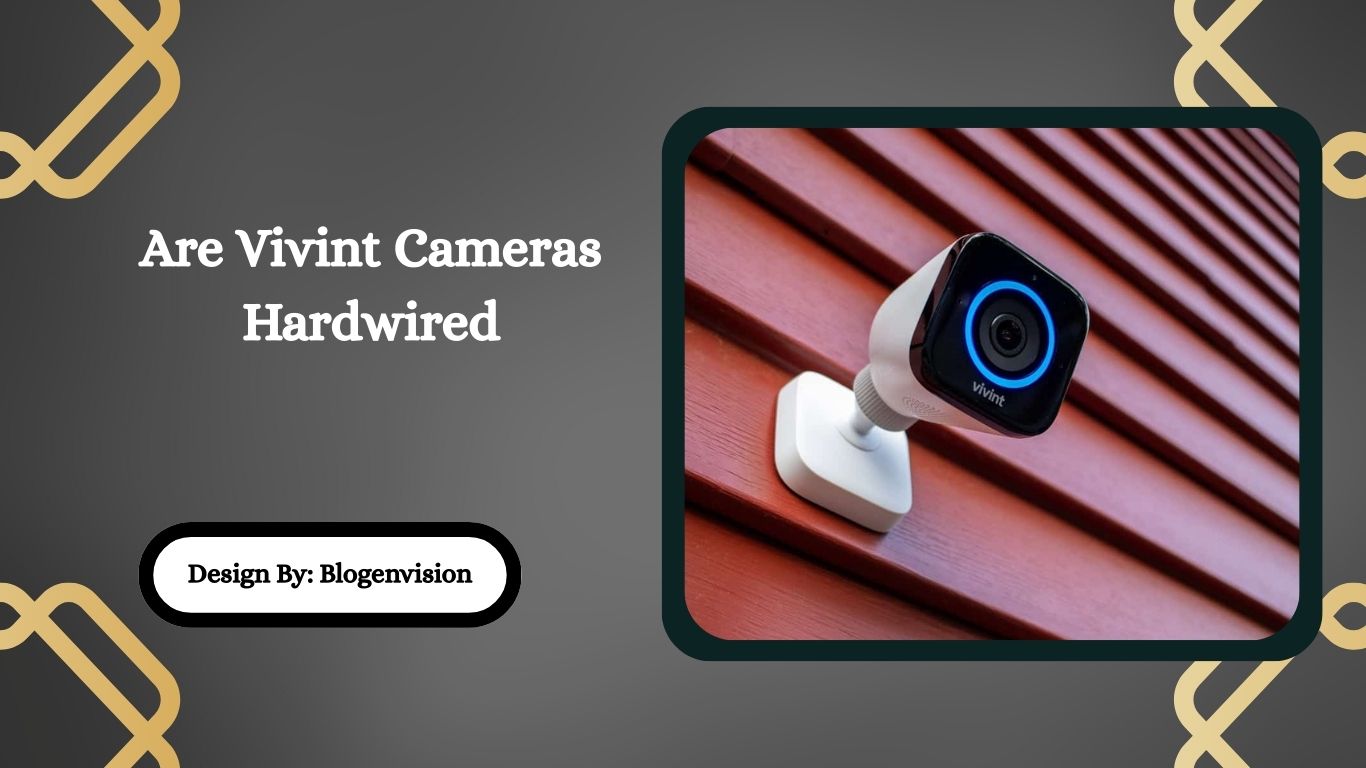
Are Vivint Cameras Hardwired – Complete Guide!
Yes, most Vivint cameras are hardwired, especially outdoor and doorbell models for uninterrupted power. Indoor cameras are often wireless/plug-in for flexibility, while professional installation ensures reliability and optimal performance.
If you’re considering a Vivint security system, one of the most common questions is: “Are Vivint cameras hardwired?” Understanding the wiring setup is crucial for installation, performance, and long-term reliability. In this guide, we break down all Vivint camera models, explain how they get power, compare wired vs wireless options, and answer frequently asked questions based on real-world data.
Do Vivint Cameras Use Hardwiring?
Yes, many Vivint cameras, particularly outdoor models and doorbell cameras are primarily hardwired. Hardwiring ensures a reliable power source, stable network connectivity, and continuous recording without battery interruptions.
However, some indoor cameras rely on Wi-Fi for power and data, especially plug-in models designed for flexibility and easy relocation.
Key takeaway:
Hardwired cameras = reliable, uninterrupted power.
Wireless/plug-in cameras = easier installation, but may require battery checks.
Vivint Camera Models: Wired or Wireless?
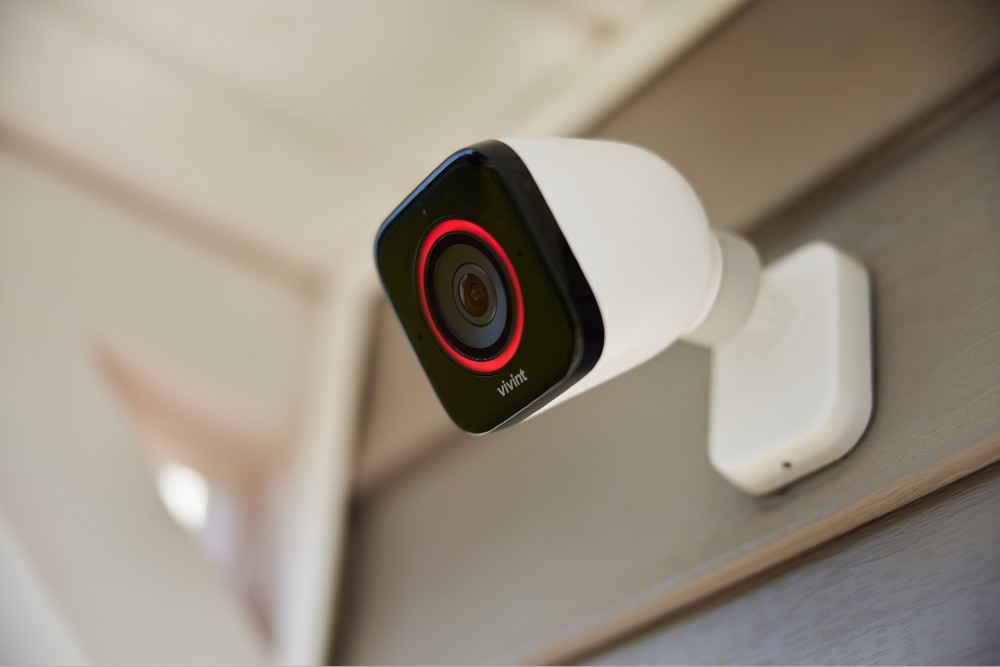
a) Vivint Outdoor Camera Pro
- Connection: Hybrid Wired + Wi-Fi
- Power: Hardwired via Ethernet cable (PoE possible) or PLC bridge
- Features: 4K HDR video, Smart Deter, Night Vision, Active Deterrence
- Installation: Professional technician recommended
- Unique Data: Outdoor Camera Pro uses a hybrid wired system to minimize visible cables while maintaining consistent performance.
b) Vivint Doorbell Camera Pro
- Connection: Hardwired to existing doorbell wiring
- Power: Continuous AC power
- Features: 180° field of view, two-way audio, motion alerts
- Installation: Must be installed by Vivint professional
- Unique Data: Doorbell cameras cannot be replaced with a standard wireless doorbell; the system relies on the hardwired connection for uninterrupted operation.
c) Vivint Indoor Cameras
- Connection: Mostly Wi-Fi, plug-in models available
- Power: Standard AC outlet
- Features: 1080p HD video, two-way audio, motion alerts
- Installation: DIY-friendly
- Unique Data: Indoor cameras prioritize flexibility; they are designed for easy repositioning and temporary setups, unlike outdoor cameras.
How Do Vivint Cameras Get Power?
Vivint cameras use a combination of hardwiring, Ethernet (PoE), and Wi-Fi connections depending on the model:
PoE (Power over Ethernet):
- Outdoor cameras can be powered via Cat5 or Cat6 Ethernet cables.
- Advantages: Single cable for power + data, minimal visual clutter.
- Professional installation recommended for optimal routing.
Doorbell Wiring:
- Doorbell Camera Pro draws continuous power from existing 16V AC transformer.
- Avoids battery replacement, ensuring 24/7 operation.
Wi-Fi / Plug-in:
- Indoor cameras rely on wall outlets and Wi-Fi signals.
- Ideal for flexible setups or temporary monitoring.
Unique Insight: Using hybrid wired-Wi-Fi setups reduces downtime, improves video streaming stability, and avoids network dropouts common in fully wireless systems.
Wired vs Wireless Vivint Cameras: Pros and Cons
Wired Cameras
Pros:
- Continuous power (no battery issues)
- Stable network connectivity
- Professional-grade security features
- Ideal for high-risk outdoor monitoring
Cons:
- Higher installation cost
- Professional installation required
- Visible cabling (though mostly concealed by technicians)
Wireless / Plug-in Cameras
Pros:
- Easy DIY installation
- Flexible placement
- Minimal wiring
Cons:
- Battery maintenance required (for battery-operated models)
- Potential network instability
- Lower feature set on some indoor cameras
Vivint Camera Installation Process
Professional installation is strongly recommended for hardwired cameras, especially outdoor and doorbell models:
- Site Survey: Technician evaluates best camera positions.
- Wiring Installation: Ethernet cables (or doorbell wires) are routed, mostly hidden inside walls or via conduit.
- Connection Setup: Cameras linked to Vivint Smart Hub / Wi-Fi bridge.
- Configuration & Testing: System tested for video clarity, motion detection, and remote access.
Unique Data: Improper DIY wiring of outdoor cameras may void the warranty or reduce Smart Deter features’ effectiveness.
Can You Install Vivint Cameras Yourself?
- Outdoor & Doorbell Cameras: Not recommended; hardwiring, PoE setup, and bridge integration require technical expertise.
- Indoor Cameras: DIY installation possible using standard AC plugs and Wi-Fi.
Expert Tip: Even for indoor cameras, professional installation ensures proper network integration and avoids blind spots.
Vivint Camera Power Requirements
| Camera Model | Power Type | Voltage / Wattage | Continuous Operation |
| Outdoor Camera Pro | Hardwired / PoE | 15W | Yes |
| Doorbell Camera Pro | Hardwired AC | 16V-10VA | Yes |
| Indoor Camera (Plug-in) | AC + Wi-Fi | 12V / 5W | Yes, when plugged in |
Unique Data: Outdoor cameras require a stable 15W PoE or hybrid wired connection to support 4K HDR streaming, Smart Deter, and spotlight features simultaneously.
Are Vivint Indoor Cameras Wireless?
Yes, most indoor cameras rely on Wi-Fi for data and standard plug-in power for operation. These cameras are user-friendly, flexible, and ideal for renters or temporary setups.
Important:
- While indoor cameras are wireless, video quality may drop if Wi-Fi is unstable.
- Hardwired outdoor cameras complement indoor cameras for full home security coverage.
FAQs:
1. Are all Vivint cameras hardwired?
Not all. Outdoor cameras and Doorbell Camera Pro are hardwired for continuous power, while indoor cameras usually use Wi-Fi with plug-in power, offering flexibility but requiring stable network signals for reliable operation.
2. Can Vivint cameras be powered using PoE?
Yes, many Vivint outdoor cameras support Power over Ethernet (PoE), allowing a single cable to carry power and data. This ensures stable video streaming and reduces visible wiring for a cleaner installation.
3. Do I need professional installation for Vivint cameras?
Professional installation is recommended for hardwired cameras, especially outdoor and doorbell models. Technicians ensure proper wiring, network integration, and optimal placement, which maximizes camera performance and maintains warranty coverage.
4. Can I move or reposition Vivint indoor cameras?
Yes, indoor cameras are wireless and plug-in, making them easy to move. However, Wi-Fi stability is essential for uninterrupted monitoring, and professional setup can prevent blind spots and maintain optimal system performance.
5. What are the power requirements for Vivint cameras?
Outdoor cameras need 15W PoE or hybrid wired connections, doorbell cameras require 16V AC, and indoor plug-in cameras use 12V/5W. Hardwired setups ensure continuous power for 24/7 monitoring without battery interruptions.
Conclusion
Vivint cameras combine reliability, flexibility, and professional-grade features. Outdoor and doorbell models are hardwired for uninterrupted power, hybrid wired/Wi-Fi connections, and advanced security functions, while indoor cameras provide wireless convenience for flexible placement. Understanding wiring setups, power sources, and installation requirements is crucial for maximizing system performance. Professional installation ensures optimal coverage, stable video streaming, and Smart Deter functionality. Whether you choose wired or wireless, Vivint cameras offer comprehensive home security with modern technology and dependable operation for and beyond.