
Designing Physical Spaces for a Digital-First Workforce
The way we work is being transformed at an unprecedented pace, with remote work influencing nearly every aspect of the modern office. Employers and employees alike are navigating a new work landscape shaped by advanced technology, changing cultural values, and a growing emphasis on sustainability. Leading the charge in adapting to these shifts are LaGrange real estate experts The Vitell Group, who have seen firsthand how evolving office needs are impacting workspace design and real estate choices.
Organizations are redesigning not just their physical spaces but also their workflows, policies, and management approaches to support remote and hybrid work models. These changes go beyond simple accommodation; they are revolutionizing what it means to work, collaborate, and succeed in today’s knowledge economy.
Hybrid Work Models Redefining Office Spaces
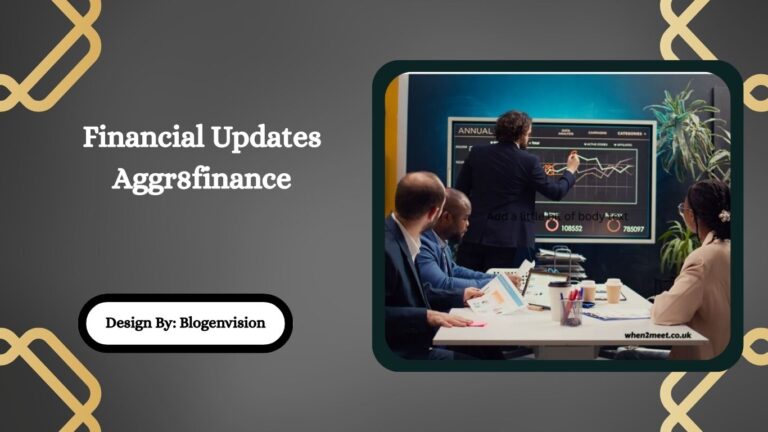
The rise of hybrid work where employees split time between home and the office- has redefined the function and design of office spaces. Collaborative areas, hot-desking, and adaptable environments are replacing traditional cubicles and fixed workstations. These flexible designs encourage creativity and teamwork while reducing real estate overhead.
Businesses are also embracing multipurpose meeting rooms equipped with collaborative technology to ensure remote and in-person participants have an inclusive experience. Flexible scheduling and workspace reservation systems are becoming standard, giving employees more control over their work environment. This shift is not just about maximizing space; it’s about supporting a diverse range of work styles and ensuring every employee feels connected, regardless of location.
Technology Integration: Enhancing Collaboration
Technological advancements are at the heart of the remote work revolution. Powerful video conferencing solutions, cloud-based collaboration apps, and project management platforms enable seamless interaction among geographically dispersed teams. Artificial intelligence-driven tools are further bridging the gap, offering features like real-time language translation, automated meeting summaries, and intelligent task management.
Investment in robust IT infrastructure has become a top priority as companies realize that the success of their remote and hybrid workforces depends on reliable, high-quality digital communication. Major publications highlight that companies adopting these technologies are witnessing improved productivity and stronger employee engagement, setting the blueprint for the future of work.
Emphasis on Employee Well-Being
The blurred lines between professional and personal life in remote work scenarios have prompted organizations to double down on employee well-being. Flexible work hours, generous leave policies, and remote mental health resources are now essential components of benefits packages. Many companies are investing in virtual wellness programs, encouraging regular breaks, digital detox initiatives, and even ergonomic consultations for home office setups.
Research shows that organizations that prioritize well-being have experienced increased retention, greater job satisfaction, and higher productivity crucial advantages in a competitive talent market.
Environmental Sustainability Influencing Office Design
Remote work’s impact on sustainability cannot be overstated. With fewer people commuting, companies are reducing their overall carbon footprint. This trend is leading organizations to adopt green building practices, implement energy-efficient technologies, and transition to digital documentation to minimize paper waste. The emergence of virtual offices and remote-first companies is also influencing real estate development, as demand shifts toward eco-friendly spaces that support both remote and in-person collaboration.
Global Talent Pools Expanding
One of the most significant advantages of the remote work era is access to a truly global talent pool. Geographic barriers are dissolving, enabling businesses to recruit the best talent regardless of location. This fosters diversity, drives innovation, and allows companies to respond dynamically to changing market needs. However, it also brings new challenges, such as managing cross-cultural teams and balancing local work norms with global cohesion. Successful organizations are investing in cross-cultural training and leveraging communication strategies to build strong, unified teams.
Outcome-Based Performance Metrics
With remote work, organizations are shifting away from conventional time-based performance measures toward outcome-driven metrics. This approach empowers employees to manage their own schedules and emphasizes accountability, creativity, and results over time at a desk. Clear objectives, ongoing feedback, and transparent evaluation criteria are replacing traditional timekeeping, fostering a culture of trust and high performance. Companies embracing this model are seeing greater autonomy and engagement among staff, aligning with modern employees’ desire for flexibility and purpose.
Future Outlook
The office of the future is evolving into a flexible, sustainable, and people-centric environment. To remain competitive, businesses must continually adapt to technological innovations, support employee well-being, and rethink traditional workplace metrics. Whether reconfiguring physical spaces, implementing advanced collaboration tools, or expanding hiring practices to span continents, organizations that embrace these remote work trends are poised to lead in a dynamic and rapidly changing world.