
Innovations in Utility Field Services for a Safer Infrastructure
The future of utility infrastructure depends on breakthrough innovations that enhance both safety and efficiency. With rising demands for reliability and risk reduction, utilities are embracing new technologies that transform traditional field services. Today, cutting-edge solutions such as artificial intelligence, autonomous inspections, and connected data systems enable utility providers to protect critical assets while responding to evolving challenges. To see how these advancements enhance professional utility services, visit https://divergentalliance.com/professional-utility-services/ for a closer look at current solutions in the field.
By integrating next-generation tools and more innovative strategies, utilities can proactively identify vulnerabilities, improve asset management, and create safer working environments. This transformation is more than a competitive advantage—it shapes resilient infrastructure vital to public safety and economic growth. From advanced data analytics and autonomous machines to real-time collaboration, utility field services are evolving rapidly to meet the needs of a modern, interconnected world.
AI and Predictive Maintenance
Harnessing Data for Proactive Safety
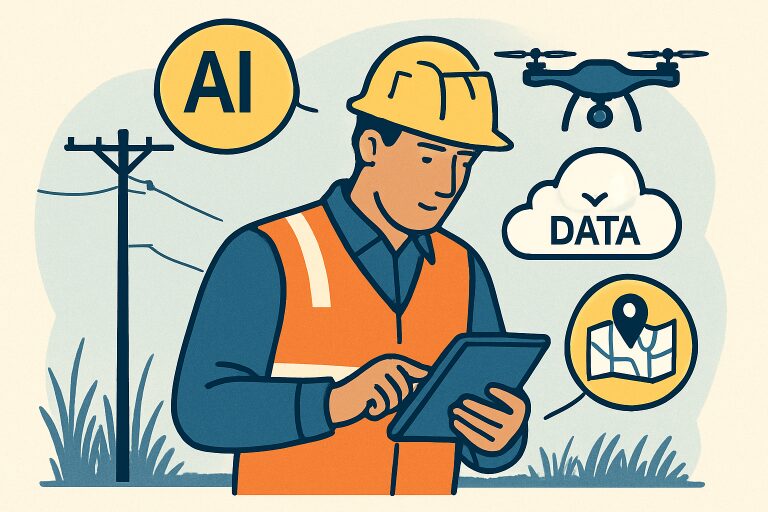
Artificial Intelligence (AI) is rapidly transforming maintenance strategies in the utility sector. With access to vast datasets from installed sensors and historical performance logs, AI-powered predictive analytics pinpoint potential equipment failures before they escalate. This shift from reactive to predictive maintenance drastically reduces emergency repair costs and minimizes dangerous unscheduled downtime.
Sensors embedded in power lines, substations, or water infrastructure continuously relay data about their condition. AI models analyze this information, spotting subtle patterns and trends, such as temperature fluctuations or vibration anomalies, which signal possible trouble. By detecting impending issues early, AI enables targeted interventions that protect both field workers and the general public.
Examples in Action
Utilities worldwide are leveraging AI to improve asset longevity and operational safety. For example, predictive analytics have allowed electric utilities to reduce transformer failures and avert widespread outages. These developments signify a significant step forward in maintaining resilient infrastructure.
Autonomous Robots and Drones in Inspections
Expanding Access and Reducing Risk
Inspection of utility infrastructure often exposes workers to high-risk environments, whether it’s scaling transmission towers or navigating confined spaces. Autonomous robots and drones revolutionize this critical task by safely reaching areas that would otherwise endanger human inspectors. Equipped with high-resolution cameras, thermal imaging, and LiDAR sensors, these machines can swiftly and accurately evaluate the status of utility assets.
Drones fly over remote power lines and substations, capturing real-time data that highlights issues such as corrosion, vegetation encroachment, or structural damage. Similarly, robotic crawlers traverse underground pipelines and conduits, identifying leaks or blockages while operators maintain a safe distance.
Boosting Efficiency and Reliability
These automated inspection methods not only reduce potential hazards to human workers but also speed up maintenance cycles and improve fault-detection accuracy. Utilities gain a comprehensive, detailed view of their networks, enabling faster response times and more reliable service delivery.
Advanced Mapping Technologies
The Next Generation of Asset Visibility
Accurate maps are essential for efficient utility management, emergency response, and planning future upgrades. Today’s Geospatial Information Systems (GIS), integrated with drone imaging and AI analysis, provide unprecedented detail and real-time asset data. These advanced maps deliver more than location—they reveal the connectivity, current condition, and risk profiles of wide-spanning utility networks.
Utilities can overlay multiple data streams, such as soil moisture, weather forecasts, and infrastructure age, to identify vulnerabilities and prioritize preventative maintenance. This technological leap sharply reduces the chance of accidental damage during construction projects and helps utilities quickly adapt to evolving risks, such as climate-driven events.
Prevention and Planning Advantages
The dynamic data generated by modern mapping systems strengthens planning for routine inspections, disaster recovery, and long-term asset expansion. Operators equipped with these insights can anticipate challenges and allocate resources proactively, reducing disruptions to communities and businesses.
Cloud-Based Data Management
Real-Time Collaboration for Field Teams
Modern Field Service Management (FSM) platforms powered by cloud technology are revolutionizing utility operations. By enabling seamless, secure access to real-time job statuses, location data, and maintenance histories, cloud-based systems foster faster, more informed decision-making at every organizational level.
Field technicians, supervisors, and central dispatch teams collaborate efficiently, sharing live updates and documentation. This shared platform minimizes miscommunication, streamlines work allocation, and ensures that all teams act on the latest available information.
Scalability and Resilience
As infrastructure networks expand and data volumes grow, cloud solutions offer scalable resources and robust security. This flexibility is essential for utilities as they adapt to rising service demands and increasingly complex regulatory environments.
Conclusion
The fusion of artificial intelligence, autonomous robots and drones, advanced GIS mapping, and powerful cloud-based data management is redefining the utility sector. These innovations provide safer field environments, optimize resource allocation, and ensure robust utility infrastructure for communities everywhere. Embracing this technological evolution is key to delivering on the promise of safer, more innovative, and more resilient utilities for today’s needs—and tomorrow’s challenges.