9 Questions to Ask During a Skincare Consultation for Acne-Prone Skin
Before you opt for any treatment for acne-prone skin, ask about the causes and the potential ingredients or skincare products that can damage your skin and worsen acne. Know the details regarding the impact of direct sunlight exposure and potential changes in diet that can be advantageous.
Key Takeaways
- Ask about hormonal changes, since they severely affect the skin and cause acne issues.
- Understand which skincare products may be contributing to acne.
- Ask about using anti-acne cream or serum, and the time of use.
- Understand how diet and treatment timelines affect your results.
Acne-prone skin issues in the UK are treated with a structured approach – starting with a skincare consultation, and followed by the use of prescribed antibiotics or creams in moderate cases. The key issues include blackheads, whiteheads, and inflamed spots, generally treated with non-comedogenic products or gentle cleansing.
In this blog, we explore 9 essential questions that you need to ask your skincare consultant for your acne-prone skin, before opting for any treatment.
What Questions Should You Ask when Going for a Skincare Consultation for Acne-Prone Skin?
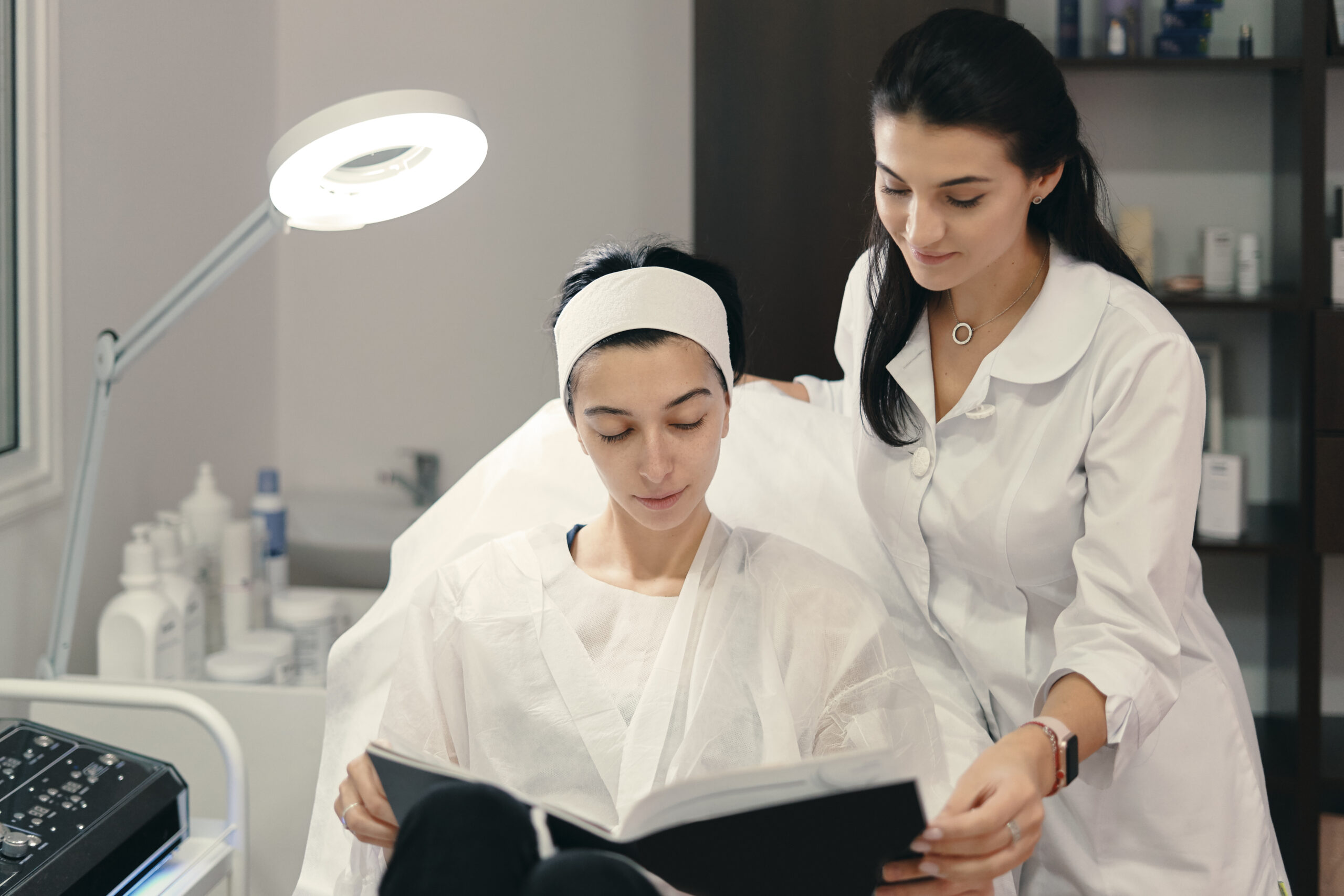
A consultation is of utmost importance when you are going to undergo skin treatments. If acne is your concern and you are about to undergo treatments for this, here are the questions you need to ask first:
Question 1: What is the Underlying Cause of My Acne?
This is the first thing to ask in a skincare consultation, since the treatment will depend on the underlying cause of your acne.
Acne can be caused by various factors, such as diet, genetics, hormones, or lifestyle. In this regard, you must understand bacterial or inflammatory issues and relevant treatments before you opt for the right one.
Question 2: Are My Current Skincare Products Suitable?
Don’t forget to know the details about your current skincare products. In this regard, bring your current skincare products when visiting for a consultation. Know about the products and their impact on your skin.
Even if the answer is no, don’t worry – since with proper treatment and care, your acne-prone skin can be improved with a better skin tone and texture. A professional can check the skincare products for acne in the UK for pore-clogging or comedogenic ingredients, which often worsen the skin condition.
Question 3: Is My Acne Linked to a Hormonal Imbalance?
Hormonal changes often drive acne issues due to the increase of androgens (e.g., testosterone), stimulating sebaceous glands to produce excess sebum. However, this excess oil mixes with dead skin cells, clogging pores, and creating a thriving environment for bacteria to cause inflammation.
So, don’t forget to ask about the hormonal imbalance during a skincare consultation, which can be a reason behind your acne-prone skin. Ask whether your symptoms suggest different conditions, such as PCOD, and whether they require specific medical care and tests.
Question 4: What Specific Ingredients Should I Avoid?
Avoiding some specific ingredients, such as silicone and cocoa butter, is important for acne-prone skin. These products cause irritation, clogged pores, and excessive oil production, trapping bacteria and fungus (harsh alcohols and fragrances).
So, ask about these ingredients, since for different skin types, these products can be different. Also, check your preferred skin care products for acne in the UK to know whether they contain these ingredients in a subtle or alternative form.
Question 5: What Should My Daily Morning and Evening Routine Look Like?
Remember, consistency is key. So, when visiting for a skincare consultation, don’t forget to ask for a daily morning and evening routine to tackle acne issues.
Ask for a well-structured plan, which is expected to include a credible and correct frequency for cleansing. Often it is twice a day, and make sure to use the right moisturiser, following the skin type.
Question 6: How Should I Incorporate Active Ingredients like Exfoliants?
The protective barrier of skin is often damaged due to over-exfoliating. So, ask how you should incorporate active ingredients for your exfoliants.
Also, ask about how often you should use chemical exfoliants, such as benzoyl peroxide, without experiencing excessive dryness.
Question 7: What is the Best Way to Protect My Skin from the Sun While Treating Acne?
Although sunlight dries the skin for a temporary period, it often leads to a severe breakout of acne issues 3-4 weeks later. While UV exposure may temporarily reduce inflammation, it can increase oil production and damage the skin barrier, which further makes the acne scars look darker and triggers the severity.
So, ask about the best options for your skin during the skincare consultation, if it’s more sensitive to the sun. Better to ask for a non-comedogenic sunscreen, which will not foster any further damage.
Question 8: What Dietary or Lifestyle Changes will Support My Treatment?
Asking about skin care products for acne in the UK is not enough. So, ask about any dietary plan or changes in lifestyle you need to follow.
Generally, specialists suggest reducing high-glycemic foods or dairy products, and instead, they recommend hygiene changes and stress-reducing changes, such as changing linens more frequently.
Question 9: How Long Will It Take to See Results, and What is the Follow-up Plan?
Ask about the timelines of treatment. This is important, since different treatments require various treatment timelines. Ask about follow-up visits as well, so that you can schedule your other plans as well.
Opt for the Top-Reviewed Skincare Treatment in the UK to Find the Most Convenient Acne Treatment.
Looking for the Best-Quality Skincare Consultation in the UK for Acne-Prone Skin? Not convinced of the skincare solutions or guidance? Opt for the best skincare treatment, following the reviews and pricing policies.