

Trauma-Informed Approaches to Women’s Mental Health Care
Key Takeaways:
- Understanding trauma’s impact is crucial for effective mental health care.
- Trauma-informed care emphasizes safety, trust, and empowerment.
- Implementing trauma-informed practices can improve patient outcomes.
Understanding Trauma and Its Impact on Women’s Mental Health
Traumatic experiences, including abuse, violence, and neglect, can have lasting effects on a woman’s mental health. Trauma can contribute to higher rates of depression, anxiety, and post-traumatic stress disorder (PTSD) among women, influencing both their emotional well-being and their ability to engage with healthcare providers. Early recognition and sensitive responses by mental health professionals can make a significant difference in recovery outcomes for survivors. This approach is important for fostering environments where women feel safe and supported from their first contact with care. A comprehensive spinal care service in Newport News, VA, also plays a vital role in addressing the physical and psychological needs of trauma survivors, promoting holistic recovery.
Research consistently demonstrates that trauma can shape a woman’s worldview, her interpersonal relationships, and her sense of self-worth. This highlights the necessity for mental health services to consider past and present traumatic experiences in every interaction. Mental health practitioners who acknowledge trauma’s impact can offer more relevant and compassionate care, building stronger therapeutic relationships. In addition to individualized care, support systems, like safe housing or supportive employment, are essential to advancing healing and resilience among women who have experienced trauma.
Trauma is not only emotionally taxing but can also manifest in physical symptoms that further complicate recovery. Many women with trauma histories report chronic pain, digestive issues, or other medical concerns that may stem from stress and unresolved trauma. Creating accessible and integrated care models empowers women to address all aspects of their well-being and increases the likelihood of successful mental health interventions.
Principles of Trauma-Informed Care
Central to trauma-informed care are several guiding principles designed to create a trusting, empowering, and culturally respectful environment for women seeking mental health services.
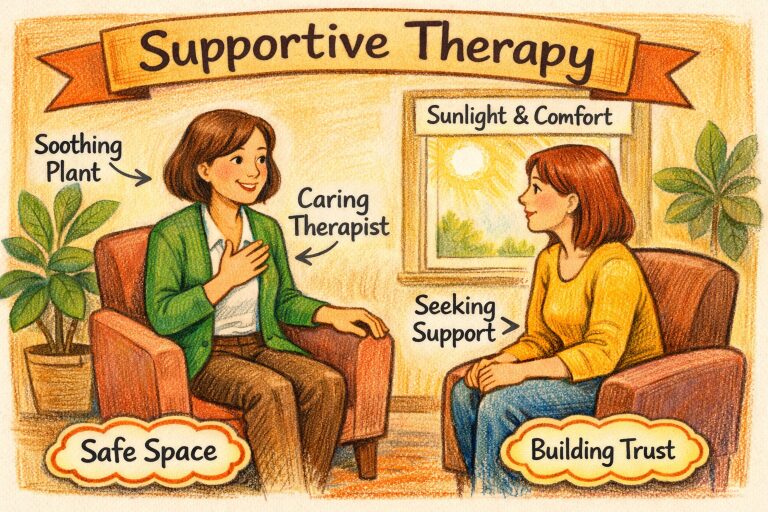
- Safety: The physical and emotional safety of patients is the foundation of trauma-informed care. Environments should be welcoming, and staff should be trained to reduce anxiety and uncertainty.
- Trustworthiness: Mental health professionals establish trust by maintaining transparency, honoring commitments, and respecting boundaries.
- Empowerment: Women should be encouraged to take an active role in their care, participating in decision-making and goal-setting.
- Collaboration: Engaging patients as partners in their treatment, professionals invite feedback and work collaboratively on care plans.
- Cultural Sensitivity: Recognizing diverse backgrounds and life experiences, care is delivered in a way that values each woman’s unique perspective.
Implementing Trauma-Informed Practices in Mental Health Services
To fully adopt trauma-informed approaches, mental health organizations and providers must take concrete steps. Staff training is essential so that all team members can recognize trauma responses and understand how to interact with survivors respectfully. Confidentiality and patient safety must be top priorities, reflected in both policies and day-to-day operations.
- Provide comprehensive training for all staff on trauma and its effects.
- Establish clear policies supporting patient safety, privacy, and autonomy.
- Design clinical spaces that feel safe and non-threatening, from the waiting area to individual offices.
- Empower patients to contribute to treatment planning and respect their choices and boundaries.
- Offer resources that foster resilience, such as peer support groups, coping skills education, and connections to community services.
Benefits of Trauma-Informed Care for Women
Trauma-informed practices reshape the care environment, leading to higher engagement, reduced risk of re-traumatization, and better clinical outcomes. Women in trauma-informed settings often report feeling more understood and valued, which enhances their willingness to continue treatment and make progress toward their recovery goals.
- Increased patient satisfaction and trust in providers.
- Improved adherence to treatment plans and reduced dropout rates.
- Overall improvements in well-being and functional outcomes, both psychologically and physically.
Challenges in Adopting Trauma-Informed Approaches
While the evidence supports trauma-informed care, organizations often encounter barriers to implementation. Limited funding and resources can constrain program growth and staff education. Organizational change can face resistance, particularly in settings accustomed to traditional models of care. Ongoing education, supervision, and support are needed to sustain trauma-informed practices over time and prevent staff burnout.
- Allocating sufficient budget and personnel for trauma-specific training programs.
- Shifting organizational culture and policies to prioritize trauma-informed values.
- Creating structures for ongoing professional development and peer support for staff.
Case Studies: Successful Trauma-Informed Programs
Several organizations have developed successful, trauma-informed programs that demonstrate the feasibility and benefits of this approach. One prominent example comes from the Department of Health and Human Services, which recently introduced a national strategy to improve maternal mental health and address substance use challenges. This initiative is grounded in trauma-informed care principles, aiming to improve equity and access to perinatal mental health services.
Future Directions in Trauma-Informed Women’s Mental Health Care
Looking to the future, expanding research and refining best practices in trauma-informed care will be vital. Policy efforts should focus on enabling access and removing barriers for women in need of these services. This includes integrating trauma-informed care into all aspects of the healthcare system, from primary care to specialized programs and community-based initiatives.
- Promoting research on the effectiveness of trauma-informed interventions across diverse populations.
- Developing policies and funding models that reinforce trauma-informed care throughout healthcare systems.
- Ensuring that trauma-informed services are accessible, affordable, and delivered with attention to cultural and social differences among women.
Embracing trauma-informed approaches empowers women to heal and thrive. Through continued innovation, education, and policy development, mental health professionals can provide the compassionate, effective care that every woman deserves.
Final Thoughts
Trauma-informed care is not just a clinical approach but a necessary shift in how mental health services understand and respond to women’s experiences. By prioritizing safety, trust, collaboration, and empowerment, providers can create environments where healing becomes possible and sustainable.
When mental health systems recognize how deeply trauma can affect emotional, physical, and social well-being, care becomes more accurate and more compassionate. This leads to stronger engagement, better treatment outcomes, and reduced risk of re-traumatization.
However, implementing trauma-informed care requires commitment at every level, including staff training, supportive policies, and ongoing organizational change. Without these foundations, even well-designed programs can fall short of meeting survivors’ needs.
Ultimately, advancing trauma-informed women’s mental health care depends on continued education, improved access, and a shared commitment to dignity and respect in every patient interaction.